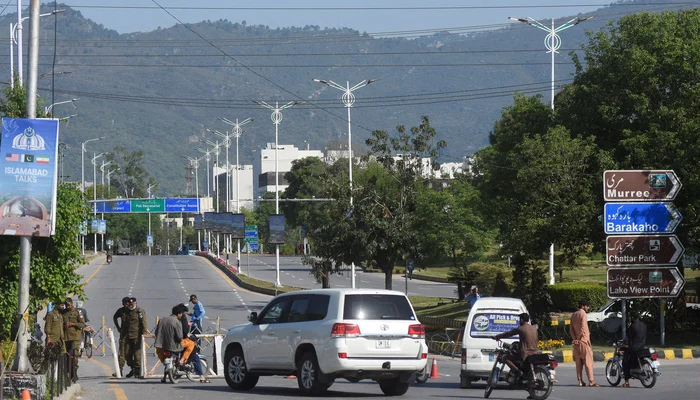
ISLAMABAD: Negotiating teams from the United States and Iran could return to Islamabad later this week for a second round of talks, sources said on Tuesday, days after initial high-level negotiations ended without a breakthrough.
Officials familiar with the process said no final date has been set, but both sides are keeping the window from Friday to Sunday open for a possible resumption of dialogue.
A senior Pakistani official confirmed that Islamabad has reached out to both parties, adding that Tehran has responded positively to the proposal for another round. “We have reached out to Iran and received encouraging signals that they are open to continuing talks,” the official said.
The first round of negotiations, led by JD Vance and Mohammad Baqer Qalibaf, marked the most senior direct engagement between Washington and Tehran in decades. Hosted by Pakistan, the talks lasted nearly 21 hours and focused on key issues including Iran’s nuclear programme, sanctions relief and control of the Strait of Hormuz.
Despite extensive discussions, the talks concluded without a formal agreement. However, officials described them as substantive and an important step towards opening direct communication channels.
Pakistan continues to play a central mediating role, maintaining close coordination with both sides to sustain momentum towards a diplomatic solution. The efforts are being overseen by Shehbaz Sharif, with senior leadership actively engaged in facilitating dialogue.
The conflict, which began on February 28 following US-Israeli strikes on Iranian targets, has caused significant regional instability and claimed over 2,000 lives. Iran’s retaliatory actions, including disruption of shipping through the Strait of Hormuz, have further escalated tensions.
A ceasefire announced on April 8 — brokered with Pakistan’s involvement — has temporarily halted hostilities, but major differences remain. Washington has proposed a 15-point framework addressing nuclear and security concerns, while Tehran has presented a 10-point plan seeking broader sanctions relief and greater control over strategic waterways.
Diplomatic sources say Pakistan is pushing to secure progress before the ceasefire deadline, with expectations that renewed talks could help narrow gaps between the two sides.
Meanwhile, Prime Minister Shehbaz Sharif is expected to visit Saudi Arabia, Qatar and Turkiye as part of broader diplomatic efforts to build regional consensus and support for the peace process.