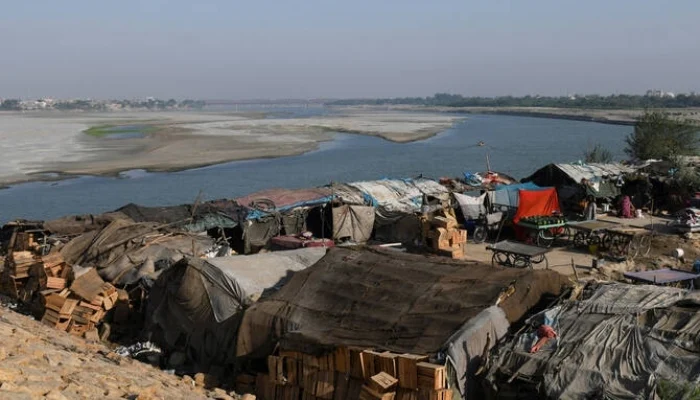
ISLAMABAD: Pakistan’s poverty rate climbed to 28.9 per cent in FY2024-25 while education spending fell to just 0.8 per cent of GDP in FY2025, according to the Pakistan Economic Survey 2025-26, highlighting growing socioeconomic challenges despite recent macroeconomic stability.
The survey shows a significant reversal in poverty reduction trends, with the national poverty headcount increasing from 21.9 per cent in 2018-19 to 28.9 per cent in 2024-25. The report described the increase as one of the most substantial welfare setbacks in recent years.
The poverty line itself rose sharply due to inflation, increasing from Rs3,757.85 per adult equivalent per month in 2018-19 to Rs8,484 in 2024-25. According to the survey, rising prices significantly affected household purchasing power and living standards across the country.
Rural communities experienced the greatest impact. Rural poverty increased from 28.2 per cent to 36.2 per cent during the period under review, while urban poverty rose from 11.0 per cent to 17.4 per cent. The survey noted that poverty continued to remain considerably higher in rural areas.
Provincial data showed poverty increasing across all major regions. Balochistan remained the province with the highest poverty rate at 47.0 per cent, up from 41.8 per cent in 2018-19. Khyber Pakhtunkhwa recorded a poverty rate of 35.3 per cent compared to 28.7 per cent previously, while Sindh rose to 32.6 per cent from 24.5 per cent. Punjab’s poverty rate increased from 16.5 per cent to 23.3 per cent.
The report also pointed to growing income inequality. Pakistan’s Gini coefficient increased from 28.4 in 2018-19 to 32.7 in 2024-25, indicating a wider gap between income groups. Urban inequality rose from 31.0 to 34.4, while rural inequality increased from 23.4 to 29.2. Sindh recorded the highest inequality level among provinces with a Gini coefficient of 35.9.
The survey warned that external geopolitical developments could further worsen poverty. Citing international assessments, it noted that disruptions linked to regional conflicts could push millions more people into poverty and place additional pressure on households dependent on remittances. The report highlighted that around 55 per cent of Pakistan’s remittances originate from the Middle East, making the country vulnerable to economic shocks in the region.
On education, the survey revealed a sharp decline in public spending. Total education expenditure fell to Rs962 billion in FY2025 from Rs1.251 trillion in the previous reported year, representing a decline of about 23 per cent. Education spending as a share of GDP dropped from 1.5 per cent in FY2023 to 0.8 per cent in FY2025.
Provincial allocations showed major disparities. Punjab’s education expenditure declined from Rs492.7 billion to Rs178 billion, while Khyber Pakhtunkhwa’s spending fell by more than 62 per cent to Rs94.78 billion. In contrast, Sindh increased education spending by 40 per cent to Rs369.1 billion, while Balochistan raised allocations by 49 per cent to Rs136.9 billion.
The survey identified serious infrastructure deficiencies in schools across the country. Only 59 per cent of primary schools have access to electricity, while the figure stands at just 21 per cent in Balochistan. The report also highlighted severe shortages of sanitation facilities, noting that toilet availability in Balochistan’s primary schools remains critically low.
Pakistan’s overall literacy rate stands at 63 per cent, with female literacy at 54 per cent. Although the proportion of out-of-school children has declined from 38 per cent to 28 per cent, nearly one in three children still remains outside the education system.
The survey stressed that Pakistan requires sustained reforms to improve access, quality, learning outcomes, equity and governance in education. It emphasized that enhanced public investment in the sector remains essential, warning that Pakistan continues to spend significantly less on education than many countries in the region.