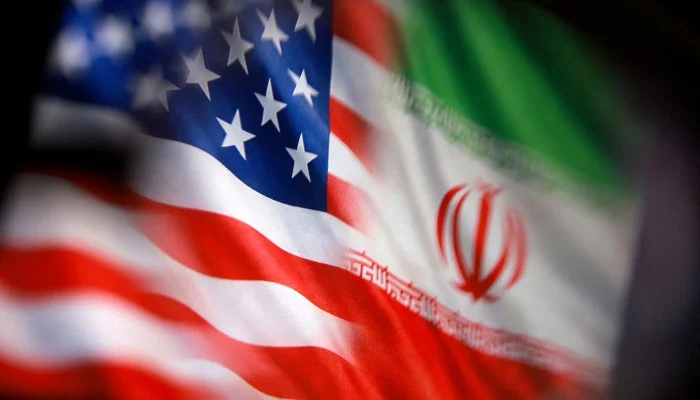
ISLAMABAD: Pakistan and the United States have expressed confidence that a long-awaited framework agreement aimed at ending hostilities between the United States and Iran is close to completion, although Tehran has cautioned that no signing is expected on Sunday.
Prime Minister Shehbaz Sharif said both sides had agreed on the framework of a peace deal and that Pakistan was coordinating efforts for an electronic signing, to be followed by technical-level negotiations next week.
US President Donald Trump also announced on social media that the agreement was expected to be signed on Sunday, which coincides with his 80th birthday.
However, Iran did not confirm that timeline. Iranian Foreign Ministry spokesperson Esmaeil Baghaei said it would not happen on Sunday but could be finalised “in the coming days,” according to Iranian state media.
Trump said the reopening of the Strait of Hormuz would take effect immediately after the framework agreement is signed, restoring access to one of the world’s most important oil shipping routes.
Despite diplomatic progress, opposition to the proposed agreement has emerged within Iran. Demonstrators gathered in Tehran and other cities, criticising Foreign Minister Abbas Araqchi and accusing him of making excessive concessions. Reuters could not independently verify videos circulating on social media showing the protests.
The conflict, which began after US and Israeli military operations against Iran on February 28, has significantly weakened Iran’s military infrastructure. Analysts, however, believe the war has strengthened the influence of hardline factions within the country.
Military tensions also continued on Saturday. The US military said it intercepted multiple Iranian one-way attack drones approaching the Strait of Hormuz, while Israel announced it had struck more than 70 Hezbollah-linked targets in Lebanon over the previous 24 hours.
Israeli Prime Minister Benjamin Netanyahu has continued to oppose US efforts to restrain Israeli military operations in Lebanon, creating differences with the Trump administration over the regional strategy.
According to diplomatic sources, the proposed framework would see Iran reopen the Strait of Hormuz and the United States lift its naval blockade. In return, Washington would begin releasing billions of dollars in frozen Iranian assets and ease sanctions on Iranian oil exports.
The agreement would also launch a 60-day negotiation process to address Iran’s nuclear programme. US officials maintain that the final arrangement would require Iran’s highly enriched uranium stockpile to be removed and destroyed, ultimately leading to the dismantling of its nuclear programme.
Iranian officials said the release of frozen assets is a central element of the agreement and indicated Tehran intends to charge transit-related fees for vessels using the Strait of Hormuz. They also reiterated calls for the eventual removal of foreign military bases from the region.
British Prime Minister Keir Starmer and President Trump also discussed ongoing diplomatic efforts during a telephone conversation on Saturday as international mediation continues.