NEW YORK: Iran has submitted a proposal to the United States to end the ongoing war and reopen the Strait of Hormuz within seven days if Washington agrees to a set of conditions, Iranian Foreign Minister Abbas Araghchi said on Thursday.
Speaking to media outlets in New York on the sidelines of the 81st session of the United Nations General Assembly, Araghchi said Iran had conveyed the proposal through intermediaries and was awaiting a response from Washington.
“If certain conditions are met, the strait will be open within seven days and talks will start,” Araghchi said.
The proposal follows recent indirect contacts between Iranian and US officials in New York. Araghchi met US President Donald Trump’s special envoy Steve Witkoff earlier this week, with Iranian officials saying the meeting was aimed at conveying Tehran’s conditions for reopening the waterway.
According to details attributed to Araghchi, the plan calls for a seven-day cessation of hostilities across the Middle East, including in Lebanon, along with the release of frozen Iranian assets estimated at more than $12 billion, the lifting of sanctions on Iranian oil and an end to the US naval blockade of Iran.
Under the proposal, Iran would reopen the Strait of Hormuz on the seventh day of the truce.
Iran had previously outlined seven conditions for reopening the strategic waterway and returning to negotiations. The Guardian reported that Tehran has continued to insist on the lifting of the US blockade, release of Iranian assets and an end to hostilities before reopening the strait.
Araghchi said Iran was waiting for a US response and maintained that China supported the proposal.
The proposal was first reported by Japan’s Kyodo news agency, citing a senior Iranian official, although Iranian media subsequently denied the report and Tehran had not initially clarified its position.
Iranian officials have since publicly confirmed that conditions for reopening the Strait of Hormuz were conveyed to the United States through intermediaries.
The latest initiative comes after the June Islamabad memorandum of understanding between Iran and the United States, which was intended to pave the way for an end to the conflict, reopening of the Strait of Hormuz and negotiations over Iran’s nuclear programme. The arrangement later broke down amid disagreements over navigation and control of the waterway.
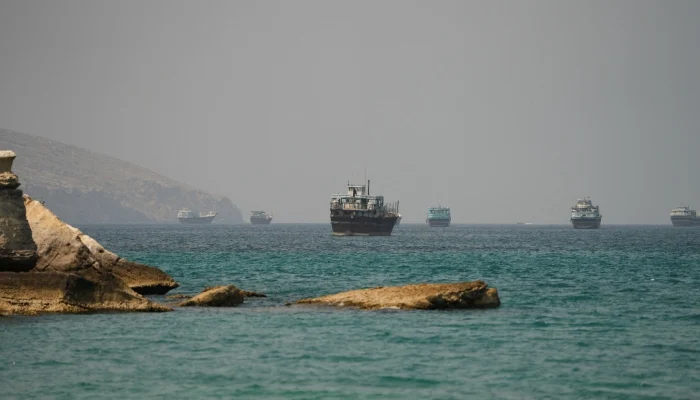
The Strait of Hormuz remains a key route for global energy shipments, while the conflict and restrictions on shipping have disrupted commercial traffic and contributed to higher oil prices.
Iranian officials have said ships must obtain authorisation before passing through the waterway, citing security and sovereignty concerns, while the United States has continued military operations against Iranian targets.
The latest proposal comes as diplomatic efforts intensify on the sidelines of the UN General Assembly, with regional and international mediators seeking a pathway towards ending the conflict and restoring freedom of navigation through the strait.