ISLAMABAD: The federal government on Friday launched a voluntary fixed tax scheme for small traders and retailers as part of efforts to document the economy, expand the country’s tax base and enhance revenue collection.
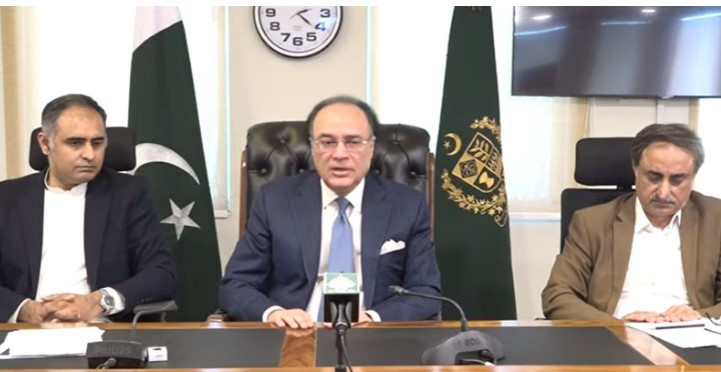
Addressing a joint press conference with Finance Minister Muhammad Aurangzeb, Minister of State for Finance Bilal Azhar Kayani said the scheme had been developed in consultation with traders and business associations to make tax compliance easier for small businesses.
Under the new framework, the scheme will apply to retailers and shopkeepers with an annual turnover of up to Rs200 million.
Kayani said eligible traders would only be required to submit a simple one-page declaration form, which would be available in several regional languages, including Urdu, Pashto, Sindhi and Balochi.
He said a fixed tax of one per cent would be charged on the turnover declared by the shopkeeper, while any withholding tax already paid would be fully adjustable against the liability.
To qualify for the scheme, traders will be required to make a minimum annual tax payment of Rs25,000.
Describing the initiative as a major concession for the retail sector, Kayani stressed that participation in the scheme would be entirely voluntary and that traders could choose to remain under the existing tax regime.
He said businesses joining the programme would receive a special identity plate issued by the Federal Board of Revenue (FBR), displaying the trader’s name, National Tax Number (NTN) and tax information, along with a QR code for verification.
The minister added that, in an effort to reduce harassment and improve transparency, FBR officials would not be allowed to enter a registered business premises without first scanning the QR code.
According to Kayani, traders enrolled in the scheme would also be exempt from routine audits, while any special audit would require consultation with trader organisations and oversight by a dedicated committee.
Speaking on the occasion, Muhammad Aurangzeb described the initiative as an important step towards formalising Pakistan’s retail economy, which is estimated to comprise between three and four million shopkeepers.
He said the government aimed to broaden the tax net rather than place additional burden on existing taxpayers.
“Taxpayers want simplicity in the tax system,” the finance minister said, adding that the long-term objective was to reduce tax rates by bringing more people into the documented economy.
Aurangzeb also highlighted the country’s broader economic outlook, saying Pakistan had maintained economic stability despite facing major challenges, including the after-effects of devastating floods.
He said the government remained committed to structural reforms and had managed recent economic difficulties through its own resources without seeking additional external assistance.