Riphah International University hosts groundbreaking conference on the future of artificial intelligence and tech innovation in Pakistan
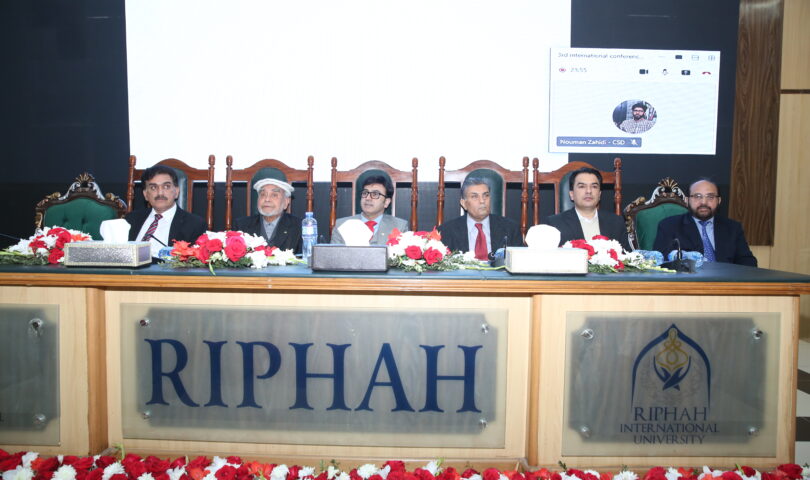
In a groundbreaking convergence of minds from across the globe, Riphah International University (RIU) in Islamabad recently hosted the 3rd International Conference on Recent Advances in Computing, Artificial Intelligence, and Data Science (CAIDS-2025).
The event, held from December 22 to 24, 2025, marked a significant milestone in the world of academia and industry, bringing together visionary scholars, experts, and policymakers to explore the cutting-edge developments in AI, data science, and computing technologies.
As the curtains fell on CAIDS-2025, the conference was hailed as a resounding success. Its impact was not just in the technical papers presented but in the conversations it sparked about the ethical use of AI, fostering cross-border collaborations, and preparing the next generation of researchers to meet the challenges of the rapidly evolving technological landscape.
The conference was inaugurated by Prof Dr Anis Ahmad, Vice Chancellor of RIU, alongside Dr. Najeebullah Marwat, a key policymaker at the Planning Commission of Pakistan. The presence of Dr Muhammad Israr, Secretary of the Higher Education Department of Khyber Pakhtunkhwa, added further weight to the occasion, highlighting the significance of the event in shaping Pakistan’s academic future in the field of emerging technologies.
A global gathering with local impact
What set CAIDS-2025 apart was its unique ability to bring together a diverse group of national and international stakeholders. Scholars from Pakistan’s top universities, such as the University of Science & Technology Bannu, Gomal University, and Multimedia University (Malaysia), came together under the common goal of advancing technology and research in Pakistan. The conference’s hybrid format also allowed for widespread participation, both on-site and online, making it a truly global event.
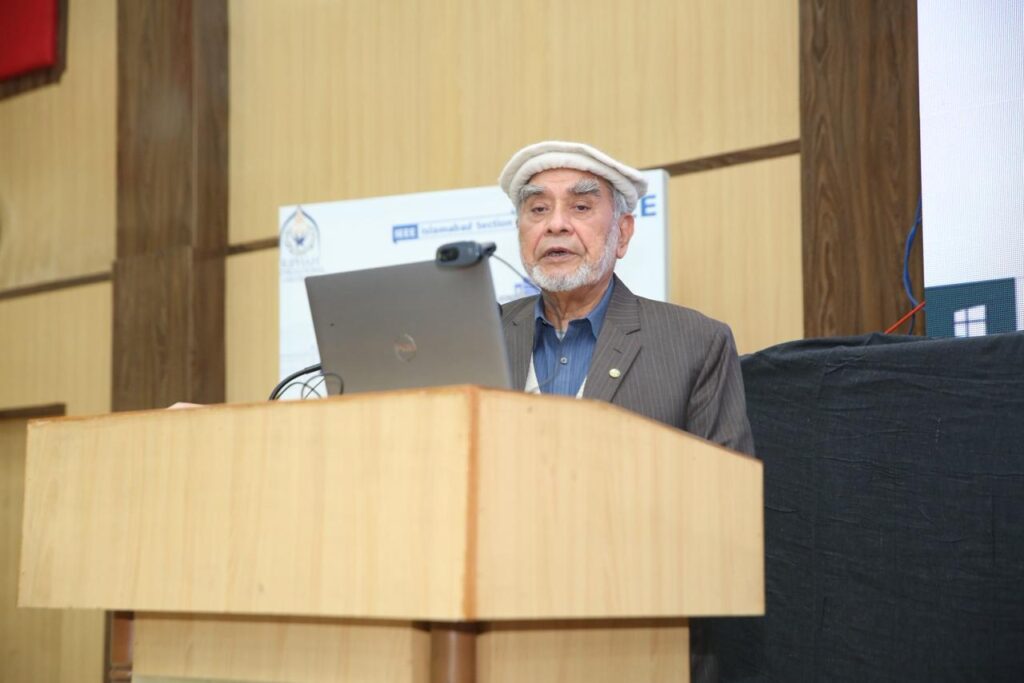
Prof Dr Anis Ahmad, in his inaugural speech, emphasized the critical need for responsible AI development, urging young researchers to harness technology with a sense of ethical responsibility. “As technology advances, we must not lose sight of its ethical implications,” he said, stressing the importance of nurturing a generation of researchers grounded in Islamic values, who can drive the global conversation around AI from Pakistan’s perspective.
A vision for Pakistan’s tech future
The conference also provided a platform for discussing the growth of Pakistan’s IT sector. Prof Dr Muhammad Zubair, Dean of the Faculty of Computing at RIU, delivered a address on the evolution of Pakistan’s digital landscape. He highlighted the rapid advancements in artificial intelligence, software engineering, and digital innovation, calling for stronger academia-industry linkages to ensure the country’s tech ecosystem remains competitive on the global stage.
The importance of collaboration across academia, government, and industry was a recurring theme. The conference’s collaborative spirit was demonstrated by its institutional support, including financial backing from the Pakistan Science Foundation (PSF) for groundbreaking AI research aimed at tackling the issue of disinformation on social media. This collaborative momentum will continue with selected research papers being considered for publication in international journals, further cementing CAIDS-2025’s role as a driving force in global research dissemination.
Bridging the gap between academia and government
One of the highlights of the conference was the powerful discourse on how Pakistan’s government can further bolster educational infrastructure, especially in the underserved regions of Khyber Pakhtunkhwa (KP). Dr Muhammad Israr, Secretary of HED KP, reaffirmed the government’s commitment to improving educational access in remote areas. He stressed the importance of bridging the digital divide and ensuring equitable educational opportunities for all, regardless of geographic location.
The significance of this message was underscored by the participation of vice chancellors from leading Pakistani universities, including Prof Dr Muhammad Jahanzeb Khan (UST Bannu), Prof Dr Muhammad Tahir Khalily (UET Peshawar), and Prof Dr Ikram Ullah Khan (Hazara University). Together, they discussed the role of AI in fostering sustainable development and enhancing education in marginalized regions.
Empowering women and regional growth
In a significant move, Prof Dr Anis Ahmad emphasized the importance of empowering women through education, particularly in the southern districts of Khyber Pakhtunkhwa, where access to higher education is often limited. The Riphah International University pledged its support for initiatives aimed at enhancing educational opportunities for women, showcasing a commitment to not only advancing technology but also fostering inclusive and equitable growth in the region.
Looking ahead: CAIDS-2025’s lasting impact
As the conference drew to a close, it became evident that CAIDS-2025 had laid the groundwork for long-term collaboration across borders and disciplines. From the insights shared by keynote speakers to the government’s commitment to educational reform, the conference was more than just a showcase of cutting-edge research. It was a call to action for educators, researchers, and policymakers to work together in shaping a future where technology serves the common good, advancing both national development and global progress.
As the world continues to race towards new frontiers in AI and data science, Pakistan is well-positioned to play a pivotal role in this transformation, thanks to events like CAIDS-2025 that push the boundaries of knowledge, collaboration, and ethical innovation.
About Author:
Dr. Muhammad Shahid is an analyst and researcher based in Islamabad, Pakistan. He serves as In-charge of the MS/PhD program at the Riphah Institute of Media Sciences (RIMS) and as Editor Investigation for The Pakistan Narrative. His previous journalism experience includes roles at The News International, The Nation, Daily Times, Arab News, and The National.