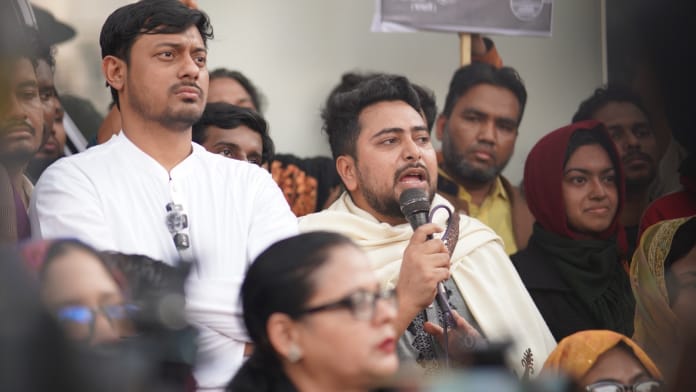
DHAKA: Two days before Bangladesh votes, one name is repeatedly discussed from Dhaka’s student circles to neighborhood lanes: Nahid Islam — a young leader who rose to prominence during the 2024 anti-Hasina uprising and is now attempting to convert street legitimacy into parliamentary power.
At 27, Nahid Islam is contesting the election from Dhaka-11, running one of the most closely watched youth-driven campaigns in the capital. His pitch to voters is built around a single idea: the 2024 uprising should not end at the streets — it should reshape governance through parliament.
From movement face to ballot candidate
Islam first became nationally known during the 2024 protests that began as a student movement and quickly turned into a nationwide revolt. After the political transition that followed, he briefly served inside the transitional setup — an experience his supporters say gave him direct exposure to how institutions work and why reform is difficult without political power.
Now, he is asking voters to back him not as a traditional party figure but as a symbol of a post-uprising generation that wants “new politics” — less dynastic leadership, stronger accountability, and structural reforms.
The alliance gamble
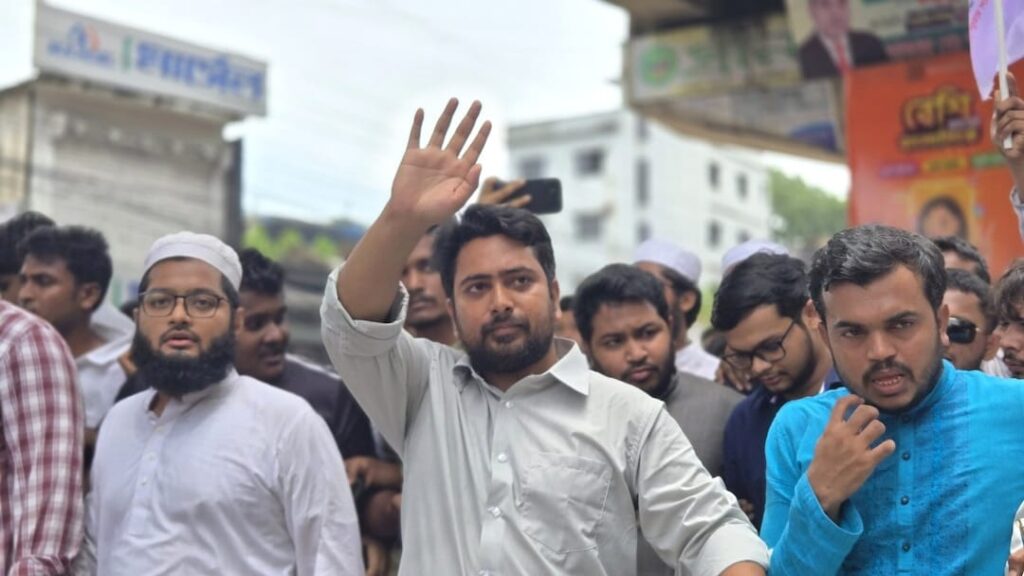
The central strategic decision of Islam’s campaign is also its biggest controversy: his party, the National Citizen Party (NCP), has entered an electoral arrangement within a broader alliance anchored by Bangladesh Jamaat-e-Islami.
Islam argues the partnership is practical and seat-based — not ideological — and says it provides the organisational machinery a newly formed party lacks: polling agents, volunteer networks, and door-to-door strength. In return, the youth platform offers what established parties often struggle to produce: a credible face of the 2024 movement and a reform narrative that resonates with first-time voters.
Mixed reactions inside the youth camp
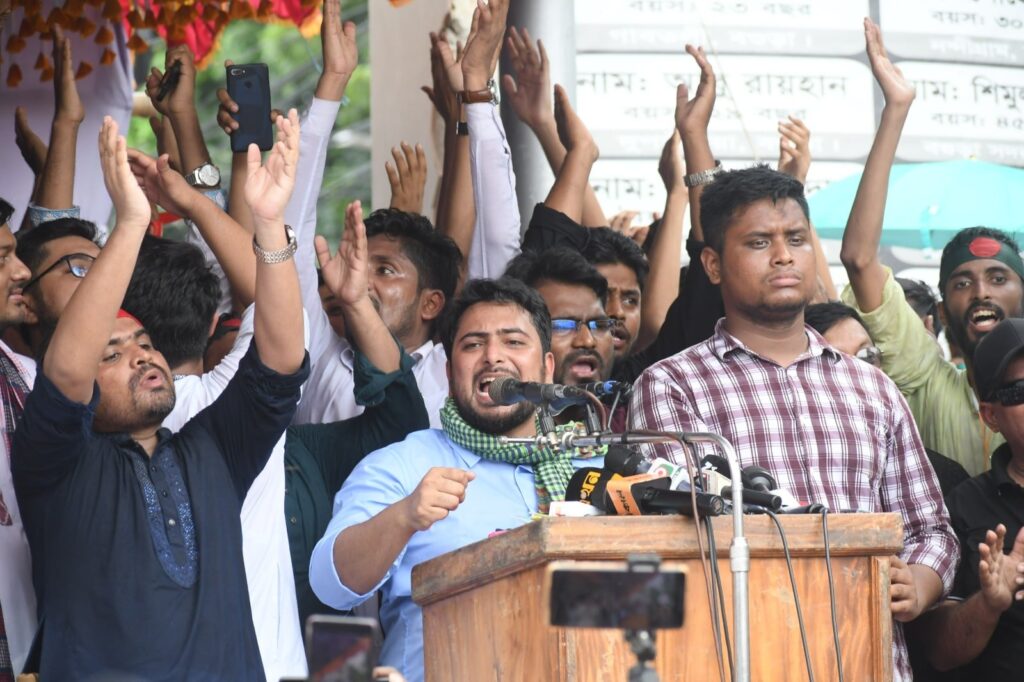
The alliance has also created a visible split among supporters of the “new politics” project. Some activists and liberal voices question whether a protest-born party can maintain its identity while depending on a well-organised ally with a heavy political history and conservative reputation. Others see the partnership as a necessary bridge for a young party entering electoral politics for the first time.
For Islam personally, the risk is clear: if voters start reading his campaign as an extension of Jamaat rather than a distinct youth force, he could lose the “movement” advantage that made him politically relevant.
Women and minority rights: the sensitive fault line
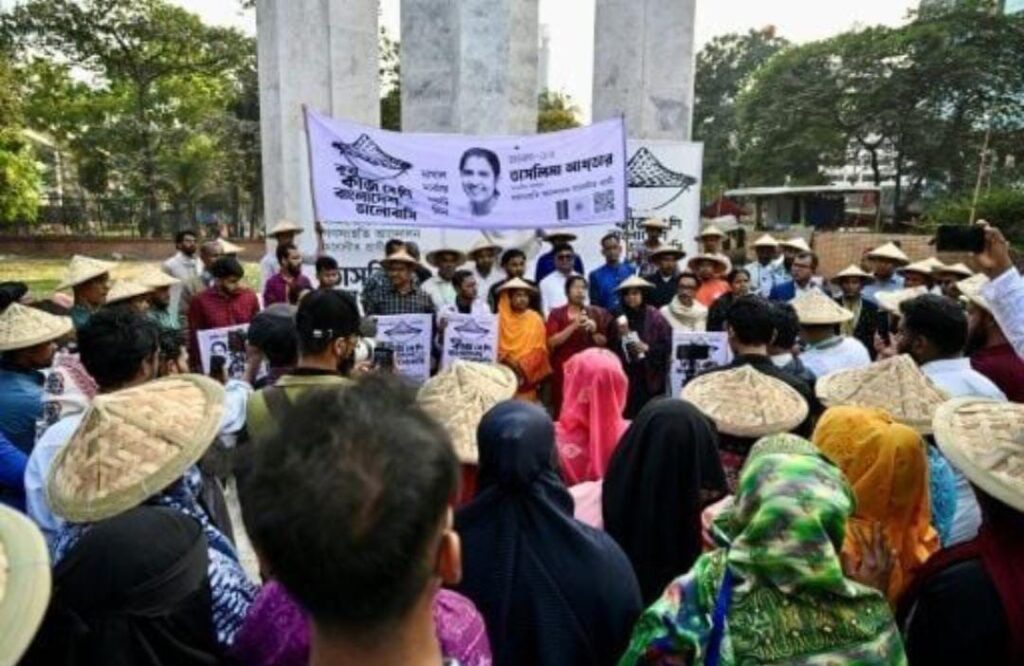
Another pressure point is public anxiety over women’s rights and minority protections — areas where civil society voices are watching closely. Islam says his platform’s “red lines” include protecting core civic rights and insists the alliance will not be allowed to compromise those positions. Critics, however, argue that influence inside an alliance depends on numbers — and numbers depend on results.
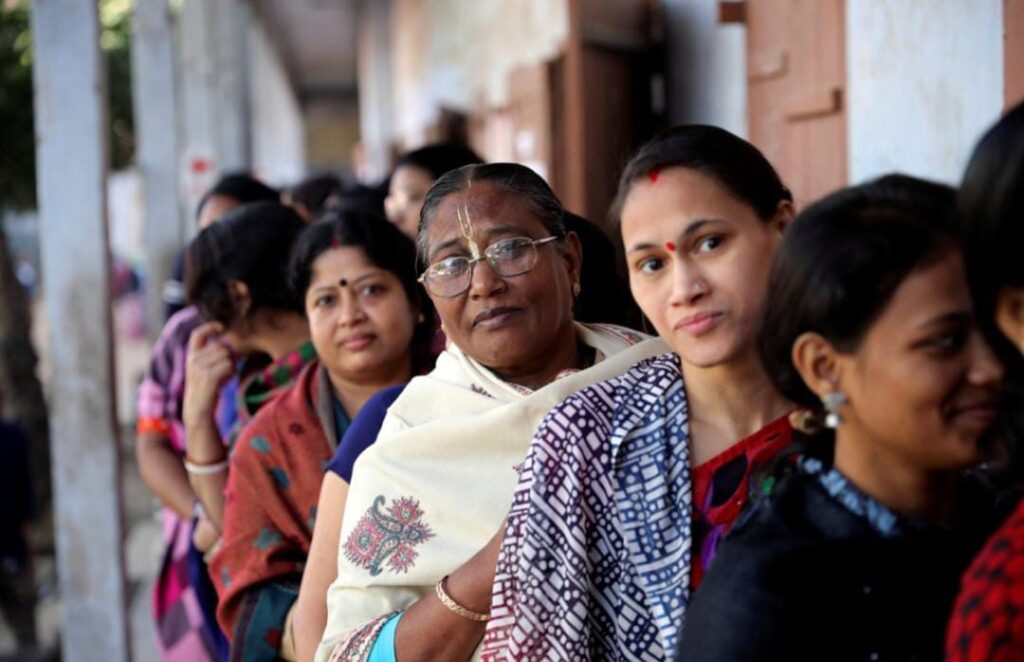
Why Dhaka-11 matters
Islam’s constituency has symbolic weight. Parts of Dhaka-11 were active during the 2024 protest period, and his supporters believe that local memory of the uprising can translate into votes. But he is facing experienced rivals with deeper electoral networks — making this a direct test of whether uprising popularity can survive a hard election contest.
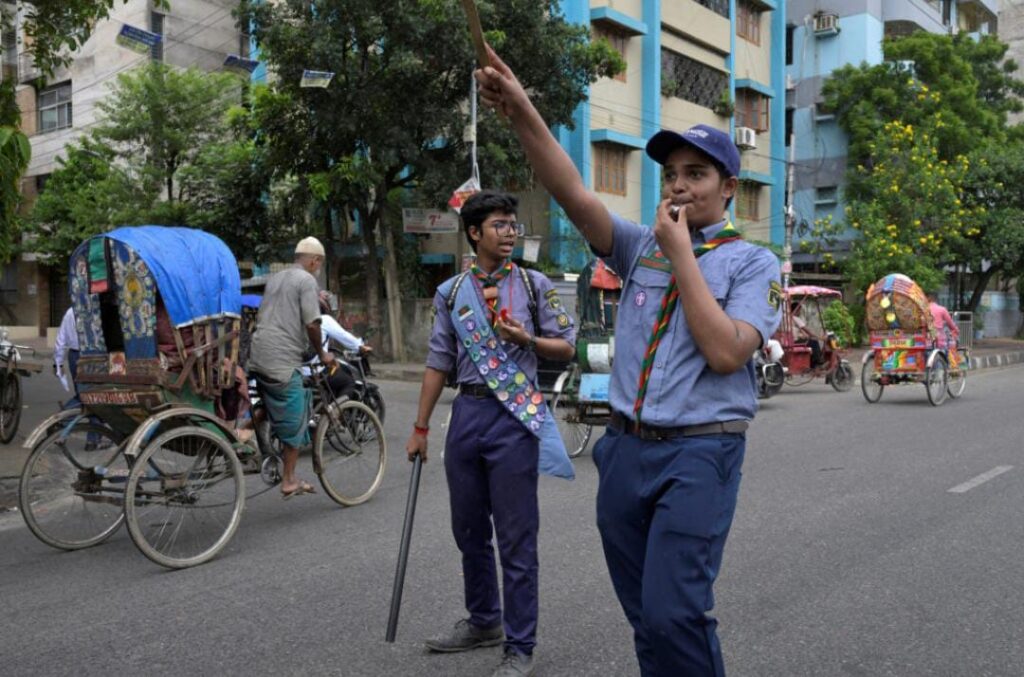
The future question: “A leader for now — or a leader for a decade?”
Even among observers sympathetic to youth politics, expectations are divided. Some believe Islam could emerge as a future national leader if he wins a credible seat count and builds an independent party structure over time. Others argue that without an organisational base beyond a few strong pockets, the NCP risks becoming a short-lived movement brand absorbed by larger players.
For Islam, the election is therefore not just about one constituency. It is about whether a protest-era figure can prove he is more than a symbol — and become a durable political force.
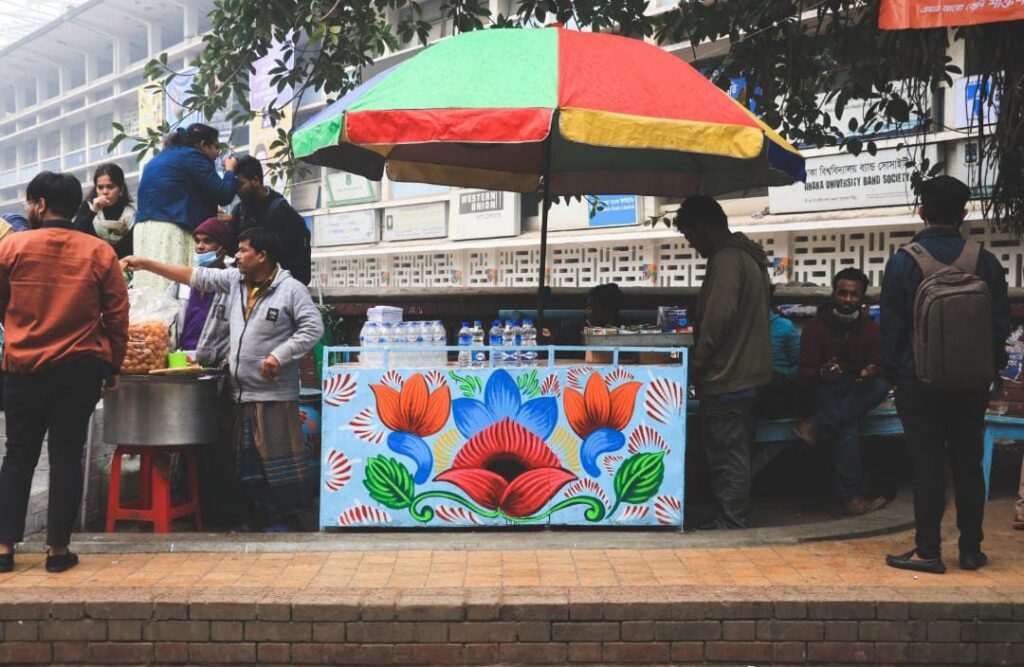
As Bangladesh approaches polling day, his campaign has become a national test case:
Can “July’s” politics move from slogans to a stable, governing platform — or will it be claimed by older political machines?
Muhammad Nasir Butt is reporting from Dhaka for Pakistan Narrative.