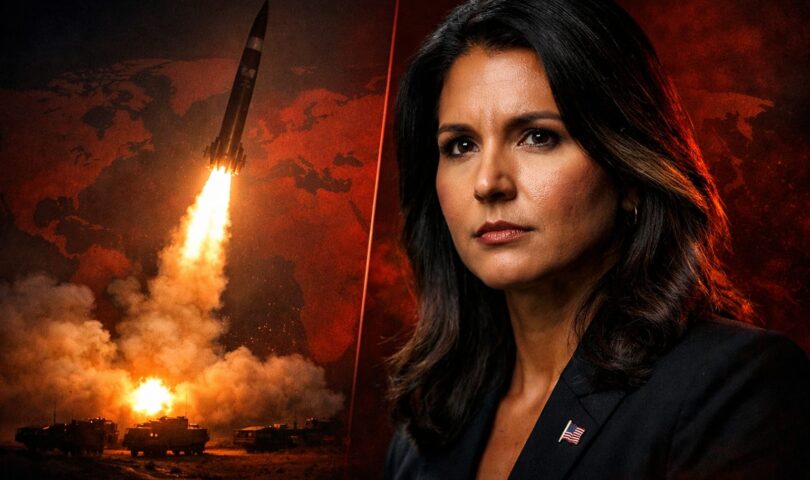
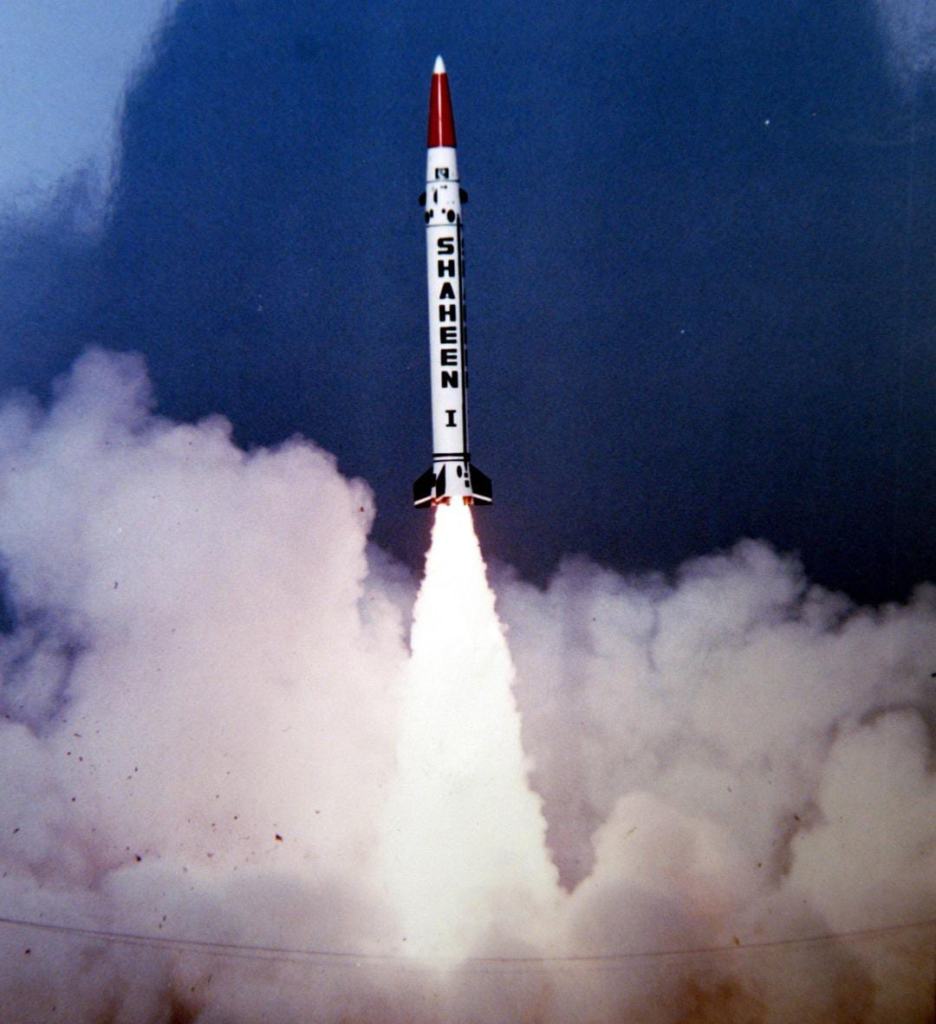
ISLAMABAD: Tulsi Gabbard, who recently described Pakistani missile capabilities as a “significant threat” to the United States, has once again come into global focus amid rising geopolitical tensions.
Her statement has sparked debate not only over strategic security concerns but also over her own unique background — one that is often misunderstood.
Not Indian by Ethnicity — But Deeply Connected to Hindu Culture
Despite widespread assumptions, Tulsi Gabbard is not ethnically of Indian origin. Her father, Mike Gabbard, has Samoan and European ancestry, while her mother, Carol Porter, is of European descent.
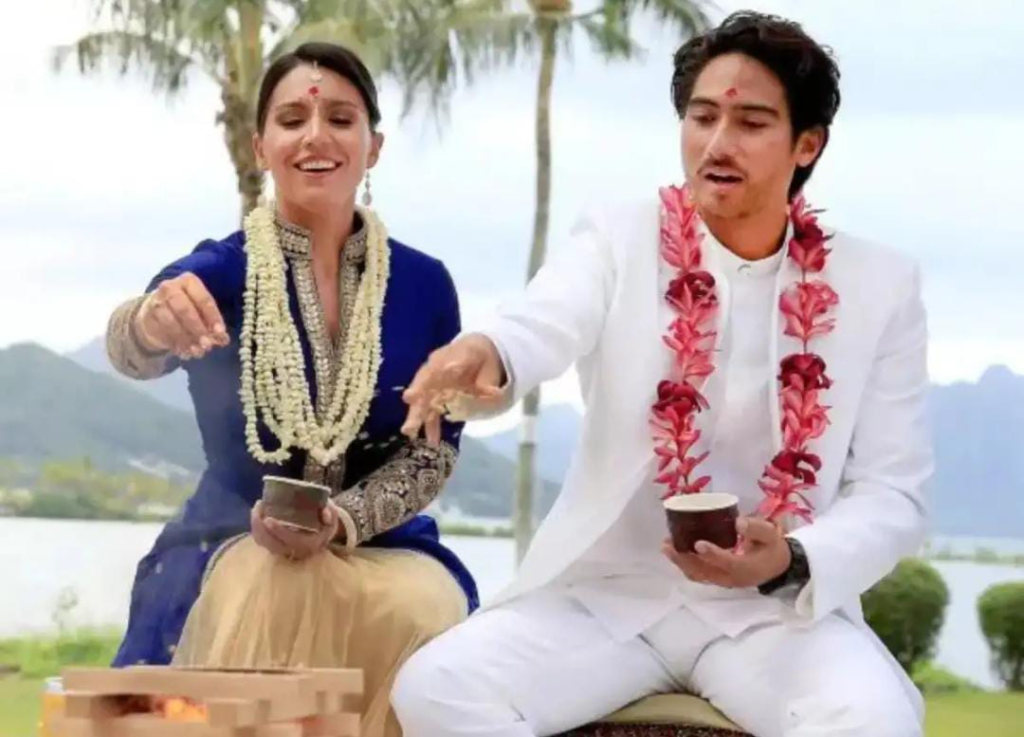
However, her religious and cultural identity is closely tied to Hinduism, a path she embraced early in life due to her family’s spiritual inclinations. Her name “Tulsi” itself is derived from a sacred plant revered in Hindu traditions.
Over the years, she has maintained strong cultural links with India, frequently visiting the country and expressing admiration for its traditions and values — a factor that has contributed to public confusion about her ethnic roots.
Military Background and Intelligence Role

Currently serving as the Director of National Intelligence (DNI) under President Donald Trump’s administration, Gabbard brings a rare combination of political and military experience to the role.
She joined the Hawaii Army National Guard in 2003 and was deployed to Iraq in 2004, where she served in a medical unit for 12 months. Later, she was deployed to Kuwait, where she trained counterterrorism units — earning recognition from the Kuwaiti military.
Gabbard achieved the rank of Major in 2015, making her one of the few high-profile US politicians with direct combat-zone experience.
Political Journey: From Democrat to Republican
Tulsi Gabbard’s political career has been equally dynamic.
Elected at just 21 years old to the Hawaii State Legislature
Served on the Honolulu City Council
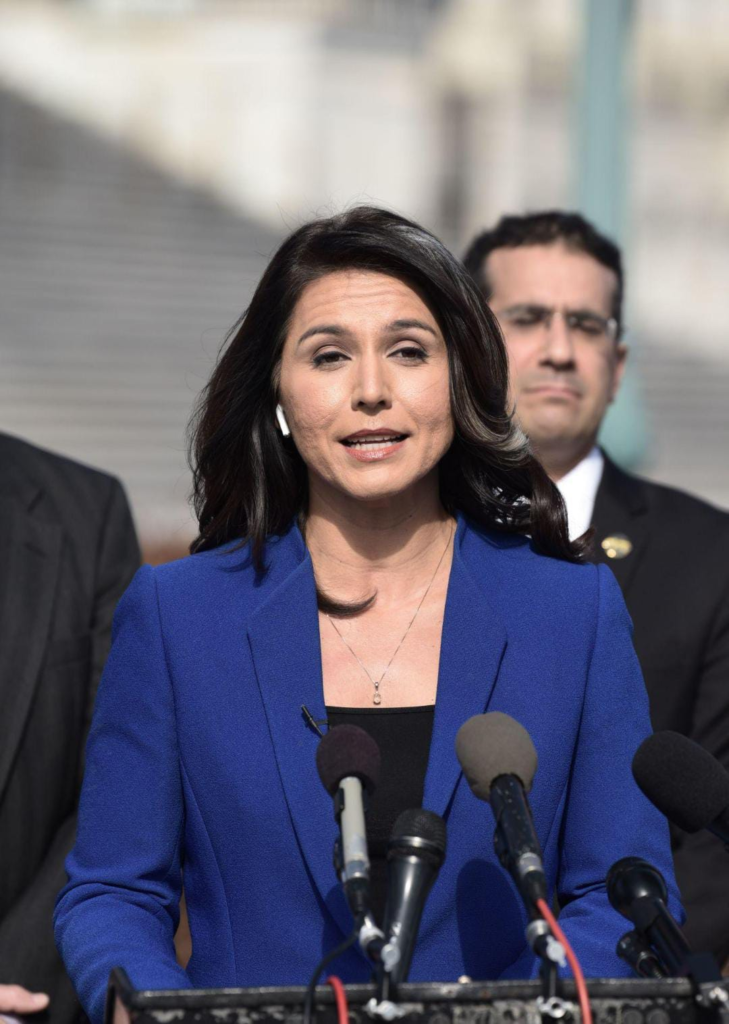
Represented Hawaii’s 2nd Congressional District in the US House of Representatives from 2013 to 2021
Became the first practicing Hindu member of US Congress
She also served as Vice Chair of the Democratic National Committee (DNC) from 2013 to 2016.
In 2019, she launched a bid for the US presidency, becoming the first female presidential candidate with combat experience. However, she suspended her campaign in March 2020.
In a major political shift, Gabbard left the Democratic Party in 2022, criticizing what she described as rising “wokeness,” intolerance, and divisive identity politics. She later aligned herself with the Republican Party, further redefining her political identity.
Why Her Statement Matters
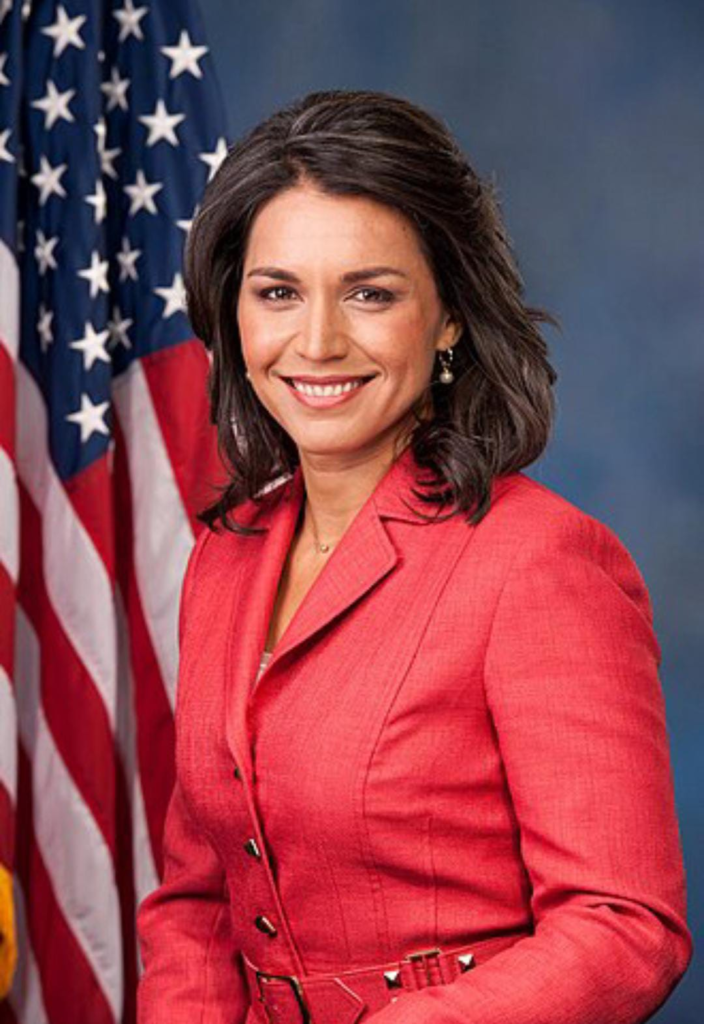
As the head of US intelligence, Gabbard’s remarks on Pakistani missile capabilities carry significant weight in global strategic discourse.
Her characterization of Pakistan’s missile program as a “credible threat” reflects growing concerns within US security circles about missile proliferation, regional stability, and evolving deterrence dynamics in South Asia.
Analysts suggest that such statements could influence future US policy directions, including defense cooperation, intelligence assessments, and diplomatic engagement in the region.
A Controversial Yet Influential Figure
Tulsi Gabbard remains one of the most unconventional figures in American politics — a soldier, a former Democrat turned Republican, and a public figure bridging diverse cultural identities.
From her early days as a young legislator to her current role overseeing US intelligence, her journey reflects a consistent narrative of national security focus, independent political positioning, and global strategic engagement.
Her latest remarks have once again placed her at the center of international attention — particularly in South Asia, where geopolitical sensitivities remain high.