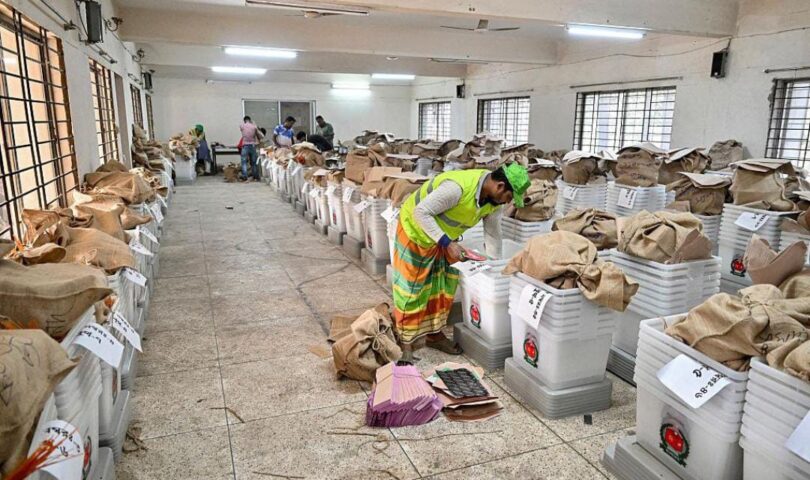
DHAKA: Bangladesh is preparing for one of the largest and most logistically complex elections in the world, and the scale becomes clear when the numbers from the Election Commission Bangladesh briefing are laid out.
On 12 February, voters will not cast just one ballot — but two.
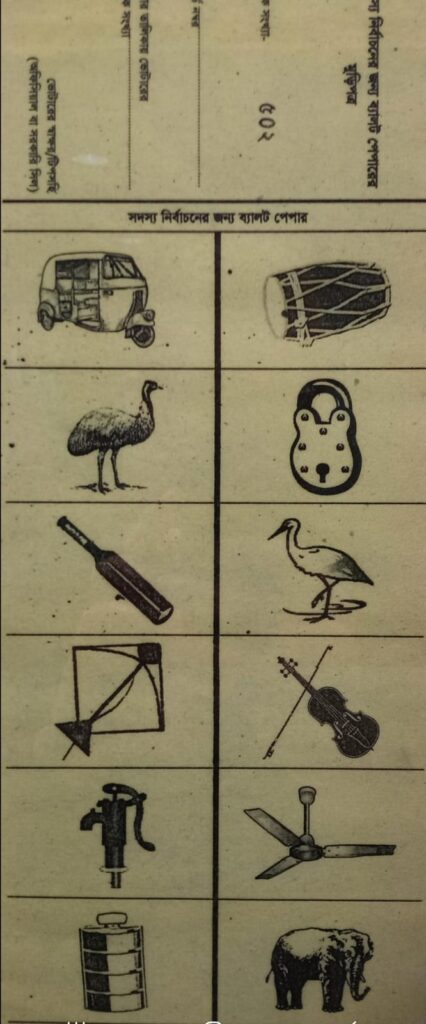
A white ballot paper will elect members of parliament across 299 constituencies (polling in one seat postponed after a candidate’s death), while a pink ballot paper will be used for a national referendum on political reforms.
The Scale of the Exercise
128 million registered voters
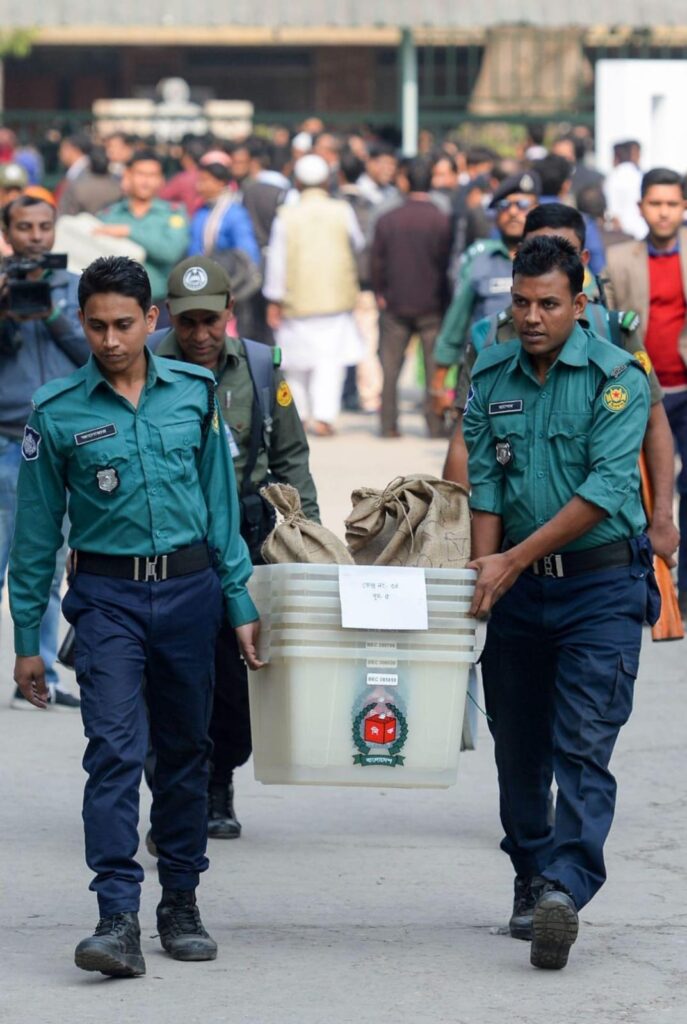
42,950 polling stations across the country
0.8 million election staff deployed to conduct voting
9 lakh security personnel for polling day duties
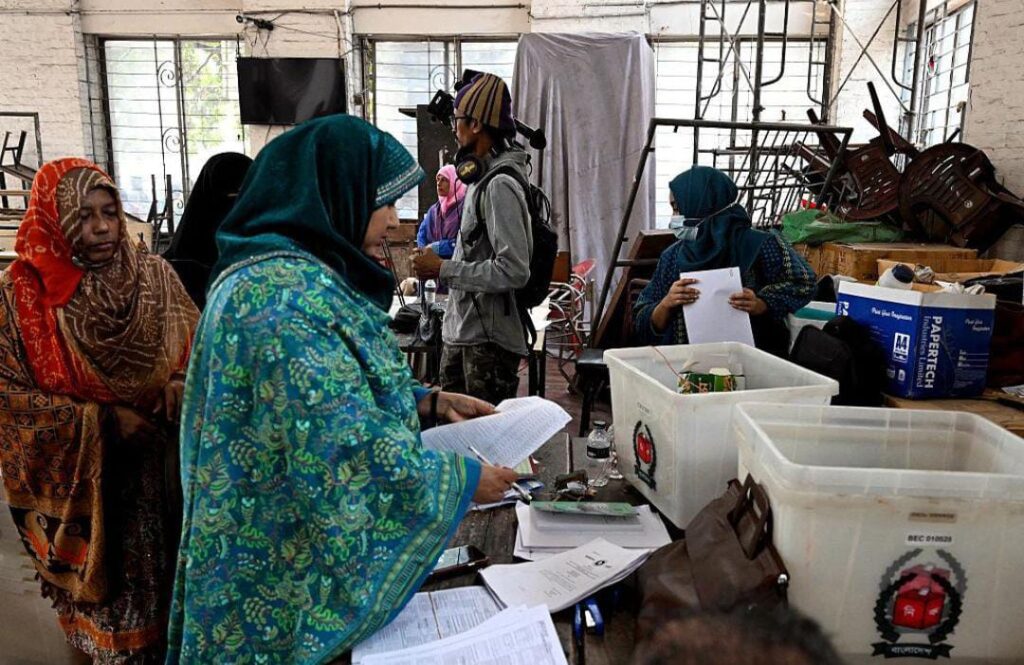
69 Returning Officers and 599 Assistant Returning Officers
9,000+ journalists and 40,000+ observers expected to monitor the process
Officials describe it as one of the largest democratic exercises underway globally.
Candidates, Parties, and Representation
2,028 candidates contesting
50 political parties in the field
Around 1,750 candidates from parties, the rest independents
81 female candidates
50 seats reserved for women in the broader parliamentary structure
Candidates are permitted to spend up to 3 million taka on their campaigns during the officially designated 19-day campaign period, announced after the election schedule on 11 December.
Unique Ballot Features
Election officials highlighted a distinctive feature aimed at transparency and voter clarity:
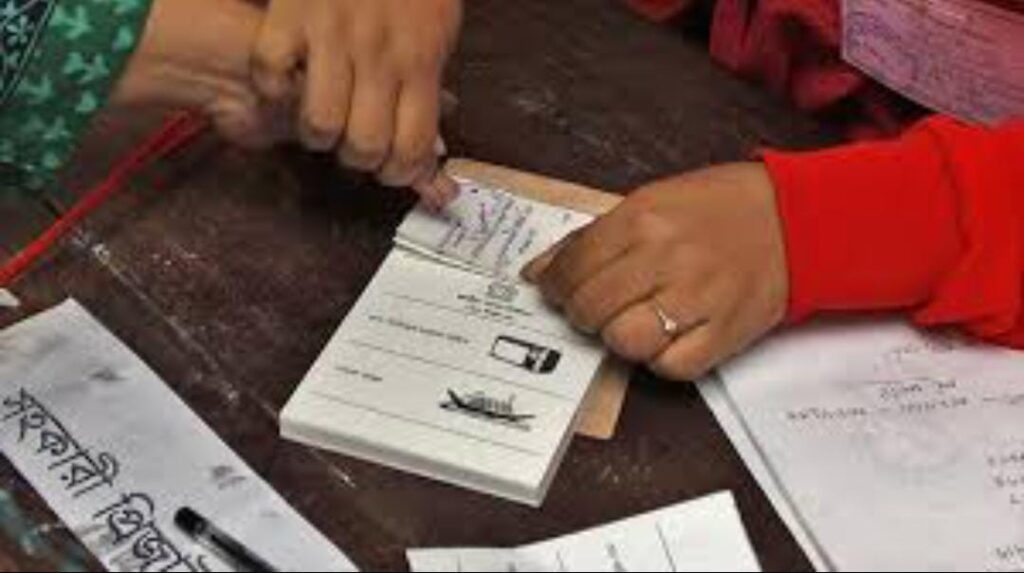
Ballot papers will carry voter photographs to reduce impersonation and confusion.
Counting, officials say, is expected to be completed within 4–5 hours after polls close.
Legal Safeguards
Any electoral dispute can be challenged in the High Court within 45 days of results being announced, providing a constitutional mechanism for redress.
The Referendum Factor
Alongside electing MPs, voters will also decide on proposed political reforms through the pink referendum ballot — a move that has generated strong discussion among youth and civil society groups, many of whom see this as a chance to reshape governance structures.
A Vote After a Turbulent Period
The Election Commission noted that nearly 2 million names were removed from voter lists due to deaths since the last cycle, reflecting the long gap and the political upheaval Bangladesh has experienced since 2024.
This election, therefore, is not only large in scale but also significant in timing — taking place after a major political transition and under intense domestic and international observation.
From polling logistics to ballot design, Bangladesh’s election is set to be a high-visibility democratic event, watched closely both inside the country and across the region.
Muhammad Nasir Butt is reporting from Dhaka for Pakistan Narrative.