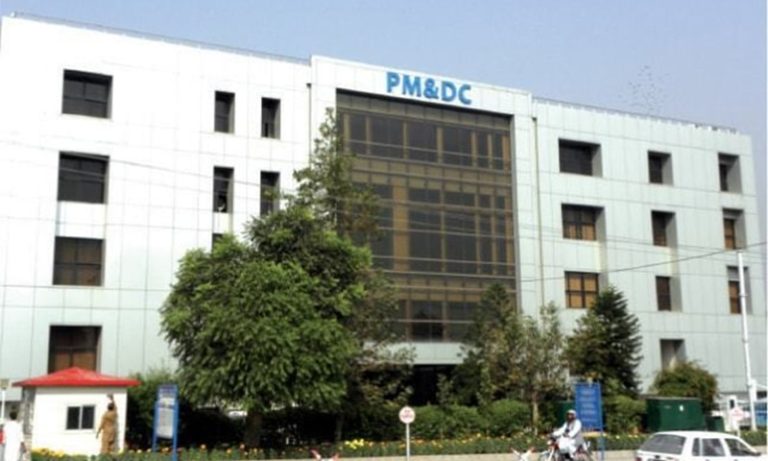
ISLAMABAD: The Pakistan Medical & Dental Council (PMDC) has launched the National Inspector Pilot Training, an ambitious initiative aimed at modernizing and standardizing inspection and accreditation of medical and dental institutions across the country. The program is designed to strengthen regulatory efficiency by integrating digital inspection technologies and building a national pool of highly trained inspectors capable of ensuring quality, transparency, and compliance in medical and dental education.
The three-day training was formally inaugurated by Prof. Dr. Rizwan Taj, President PM&DC, who said the program marks a major milestone in advancing inspection standards and accelerating the digital transformation of Pakistan’s accreditation process.
He commended the support and guidance of Federal Minister for Health, Syed Mustafa Kamal, acknowledging his forward-looking role in strengthening PMDC. Dr. Taj said the minister’s consistent cooperation and timely direction have enabled PM&DC to implement key reforms efficiently, fostering an environment of autonomy and clarity for regulatory bodies, ultimately benefiting medical and dental education nationwide.
The training brought together master trainers and inspectors from across Pakistan for hands-on sessions, including demonstrations of Digi-Inspect, the country’s first digital inspection platform, and an introduction to the updated Inspector Guide.
A total of 60 participants—representing Punjab, Sindh, Balochistan, Khyber Pakhtunkhwa, ICT, and the Armed Forces—are taking part, ensuring national-level inclusivity and harmonization.
Training Structure & Objectives
The program aims to prepare Master Trainers who will lead future capacity-building sessions across their respective regions. Key components include:
- Pilot testing of the Digi-Inspect digital system
- Implementation and feedback collection for Proforma 350
- Review and finalization of the updated Inspector Guide
- Regional rollout planning for future digital accreditation cycles
Day 1 focused on thematic discussions, digital system briefings, and familiarization with updated inspection proformas. Participants were grouped into 10 multidisciplinary teams spanning Basic Sciences, Clinical Sciences, Medical Education, Biomedical Engineering, Hospital Management, and Civil Engineering/Architecture.
Day 2 will feature field-based digital mock inspections at ten medical and dental colleges. Teams will apply standardized tools, test the Digi-Inspect system in real time, and validate logistics and on-ground compliance, identifying operational challenges and refining digital workflows.
Read More: CDF Field Marshal Asim Munir, Indonesian president discuss defence cooperation
The training is being supervised by 10 experienced facilitators, ensuring quality and consistency in delivery.
This phase includes:
- On-site digital inspections using tablets
- Hands-on training with digital proformas
- Pre- and post-analysis via the Digi-Inspect system
- Troubleshooting and system improvement
The pilot phase is expected to generate critical insights for improving real-time reporting, transparency, and decision-making in future accreditation cycles.
Day 3 will conclude with consolidation of findings, alignment on scoring standards, evaluation of participant learning, and comprehensive feedback. The outcomes will contribute to final recommendations for the nationwide rollout of the digital inspection system.
Following the pilot, certified Master Trainers will conduct further regional training sessions in:
- Karachi
- Khyber Pakhtunkhwa
- Lahore
- Balochistan
- ICT / Rawalpindi
- Armed Forces institutions
PM&DC affirmed that it is committed to ensuring that medical and dental education in Pakistan meets global standards through transparency, innovation, digitalization, and robust evaluation mechanisms.
The council emphasized that the introduction of digital inspection tools marks a transformative shift toward a more accountable and standardized accreditation system nationwide.