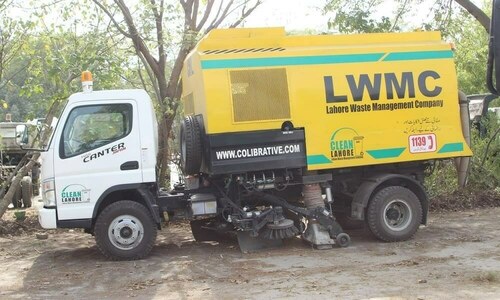
ISLAMABAD: A global endorsement has placed Pakistan’s Punjab province on the world map of sustainable waste management, as Forbes has declared the “Suthra Punjab” initiative one of the leading international models for modern waste management and climate action.
In a detailed report highlighting the Lahore Waste Management Company’s (LWMC) achievements, Forbes noted that the project was showcased at COP30 as one of the best climate-focused waste management systems currently operating worldwide. Cities from Jakarta to Nairobi are now studying Punjab’s waste-to-value model for replication, the report said.
Punjab, home to nearly 130 million people, long struggled with rural waste management, with around 70 million rural residents lacking an organised disposal system. The province launched its solution from Lahore, establishing the LWMC — led by Pakistan Administrative Service officer Babar Sahib Din, appointed as CEO.
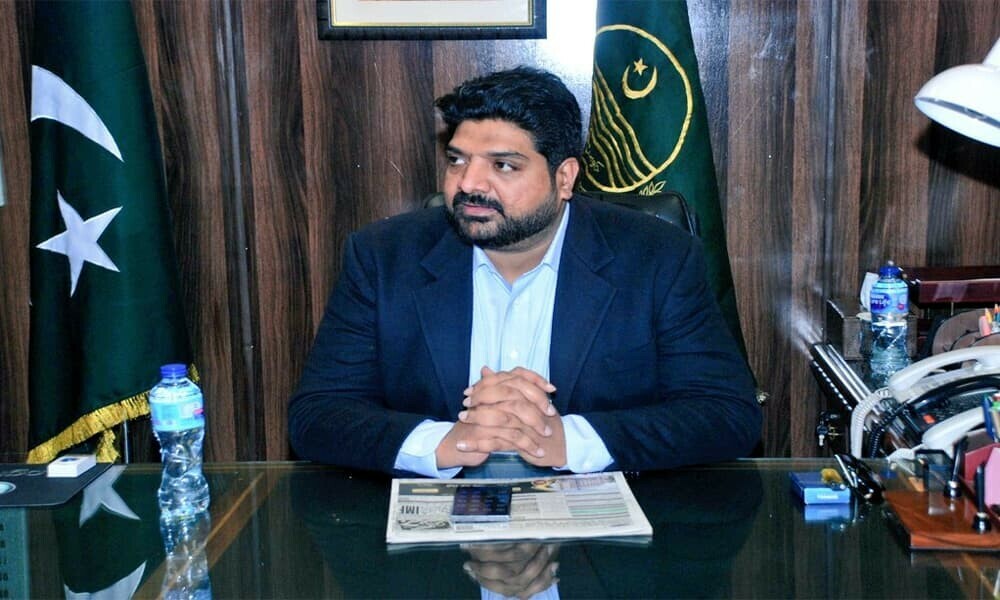
Following the 2024 provincial elections, Babar presented an upgraded strategy to the new government. With official support, his team built a comprehensive waste-collection system across the province in just eight months, Forbes reported.
A new provincial authority was created to oversee cleanliness in every city and village. Under Suthra Punjab, around 50,000 tons of waste are lifted daily.
The entire operation — from collection to dumping — is monitored digitally in real time. Waste-collection vehicles and many bins are equipped with IoT sensors, GPS, and RFID technology, feeding continuous data into a central control room. AI tools are used to optimise routes, reduce fuel use, and ensure timely operations.
Automated weighing machines record tonnage and time when waste reaches dumping sites. All data flows into a central dashboard used to assess contractor performance. Payments to contractors are tied directly to this digital record — a system that Forbes says has significantly reduced corruption. Penalties are auto-generated for non-compliance.
The project’s financial model includes a small user fee, government grants, revenue from waste-to-energy initiatives, carbon credits, and electricity sales. All income is deposited into a transparent joint account used to purchase new vehicles and equipment. According to Forbes, the project will become financially positive within a few years.
A major next step under Suthra Punjab is converting waste into economic assets. A dedicated recycling unit has been established, and work is underway to produce new products through recycling plants. Plans include composting facilities, biogas generation from landfill gases, and protein-rich animal feed using black soldier fly larvae.
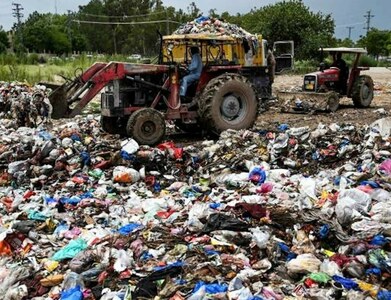
A 25MW waste-to-energy plant is also planned, expected to power over 50,000 homes. The initiative is projected to reduce carbon emissions by nearly 2 million tons annually.
Forbes added that improved sanitation has reduced disease spread, lowered water contamination, and enhanced environmental quality. More than 100,000 jobs have been created — from sanitation workers to drivers and recycling-plant operators — with women and youth benefiting substantially.
The magazine concluded that the project is curbing illegal dumping, restoring the environment, and positioning Punjab as a regional leader in climate innovation. According to CEO Babar Sahib Din, the initiative proves that with determination and a motivated team, even the largest challenges can be solved in record time.